Facility Management Trends in 2026 and the Digital Management Approach
Facility management trends are rapidly evolving as digital transformation reshapes the industry. Facility and property management has rapidly become one of the sectors most affected by digital transformation in recent years. The increase in residential projects, mixed-use developments, and rising user expectations are forcing management processes to become more transparent, faster, and measurable.
As we move toward 2026, facility management approaches are shifting away from traditional methods. Data-driven decision making, integrated platforms, and user-focused systems are becoming the new standard.
At the center of this transformation are facility management software solutions that help managers streamline operations and gain better control over their properties.
1. Data-Driven Management
One of the most prominent facility management trends in 2026 is the shift toward fully data-driven decision making. Managers no longer rely solely on experience; instead, they base their decisions on reports, analytics, and measurable performance indicators.
Metrics such as maintenance costs, service demand intensity, response times, and financial performance can now be monitored in real time. This allows management teams to plan budgets more effectively and allocate resources where they are most needed.
With digital infrastructure, processes such as fee and payment tracking can be managed accurately and efficiently, eliminating many manual tasks.
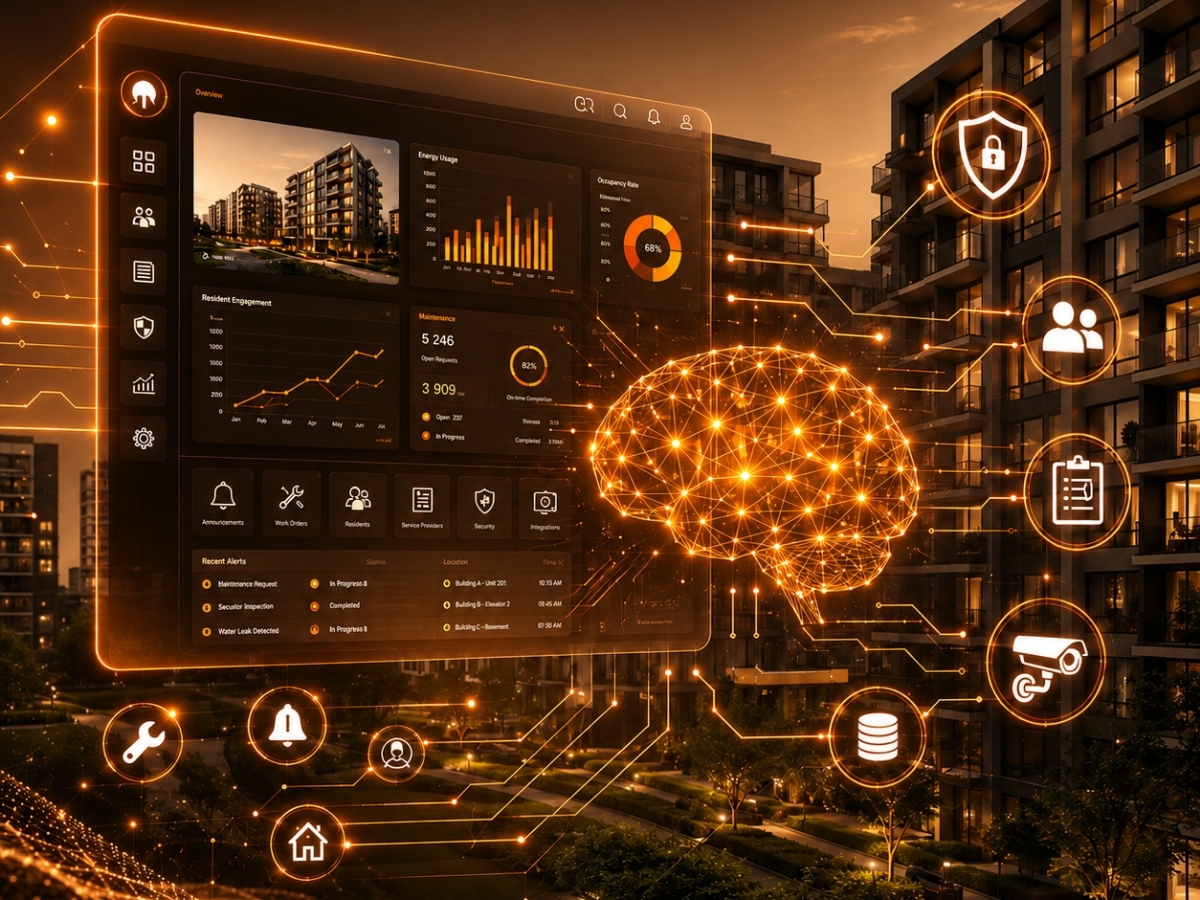
Senyonet provides advanced reporting and analytics dashboards that offer managers real-time data visibility. From financial tracking to operational performance, all processes can be monitored in one centralized platform, enabling decisions based on reliable data.
2. Centralized Request and Process Management
Another important development in facility management is the adoption of centralized systems for handling requests and operational workflows. Traditional communication methods such as scattered messages, verbal notifications, and manual follow-ups are being replaced by structured and trackable digital processes.
With centralized systems, maintenance requests, fault reports, and operational tasks are recorded and monitored in a single platform. Managers can easily track each stage of the process and ensure timely service delivery.
This approach significantly reduces administrative workload while improving service quality and operational transparency.
With its request and work-order management modules, Senyonet records and tracks all operational processes digitally. Managers can monitor tasks, measure performance, and maintain consistent service standards across facilities. Senyonet VAR digitizes operational processes such as fault management, maintenance, checklists, and asset tracking, enabling facility management teams to monitor all field activities from a centralized platform.
3. Mobile-First Facility Management
As mobile usage continues to grow, mobile accessibility has become a critical factor in facility management.
Managers, field teams, and residents increasingly prefer managing requests, announcements, and communication through mobile applications.
Mobile access allows maintenance issues to be reported instantly, reduces response times, and increases user satisfaction. At the same time, payments, notifications, and announcements can be handled easily through digital channels.
This mobile-first approach accelerates facility management processes while improving transparency and communication.
The Senyonet mobile application creates a direct communication channel between residents and management. Tasks such as request creation, announcements, and payment tracking can be handled quickly and efficiently.
4. Integrated Systems and Open API Infrastructure
One of the most critical expectations in facility management for 2026 is seamless data exchange between different software systems.
Senyonet API acts as an integration layer that allows third-party systems to both send and receive data from the Senyonet platform.
Through this integration layer, various systems such as meter reading software, accounting solutions, CRM tools, electronic building management systems, access control systems, and license plate recognition technologies can communicate with Senyonet through a single connection.
Another key advantage is that existing systems do not need to be replaced to establish integration. This reduces manual data entry, accelerates processes, and allows centralized data management.
The Senyonet API infrastructure eliminates data duplication and improves operational efficiency by enabling smooth integration with existing systems. This flexible architecture easily adapts to the needs of growing facilities.
5. Transparent and Participatory Management Models
Transparency and resident participation are becoming increasingly important in modern facility management.
Sharing expenses, maintenance plans, and announcements digitally helps build trust between management and residents. Especially in financial processes such as fee tracking, transparency strengthens communication and improves community engagement.
Digital reports and notifications allow residents to monitor processes clearly and stay informed about the management of their property.
Senyonet supports participatory management through transparent reporting and announcement modules. This strengthens communication between management teams and residents while building a culture of trust.
6. Sustainability and Resource Management
Energy consumption, water usage, and maintenance planning are becoming increasingly important under the concept of sustainability in facility management.
Digital monitoring systems are gaining popularity as organizations aim to reduce environmental impact while improving operational efficiency.
Data-driven facility management prevents unnecessary spending while ensuring that resources are used more efficiently. This approach not only reduces operational costs but also supports long-term sustainability goals.
With expense tracking and reporting tools, Senyonet makes resource usage visible. Managers can control costs more effectively and establish a sustainable management model for their facilities.
7. User Experience-Focused Platforms
Modern facility management systems are no longer designed only for managers. They must also provide intuitive and easy-to-use interfaces for residents and users.
Instead of complex dashboards, platforms with simple and user-friendly interfaces are becoming more popular.
In this context, facility management software is evolving from a purely operational tool into a communication platform that strengthens interaction between residents and management.
With its intuitive interface and simplified management panels, Senyonet provides a practical and efficient user experience for both managers and residents.
Are You Ready for the Future of Digital Facility Management?
As we move closer to 2026, success in facility management will depend on adopting the right technologies at the right time. Data-driven decision making, integrated systems, and mobile accessibility are no longer optional—they are essential.
With its scalable and user-focused approach, Senyonet stands at the center of this transformation. For organizations aiming to build a more controlled, transparent, and sustainable facility management structure, Senyonet provides a powerful digital infrastructure. Contact Senyonet to learn more about digital facility management solutions.