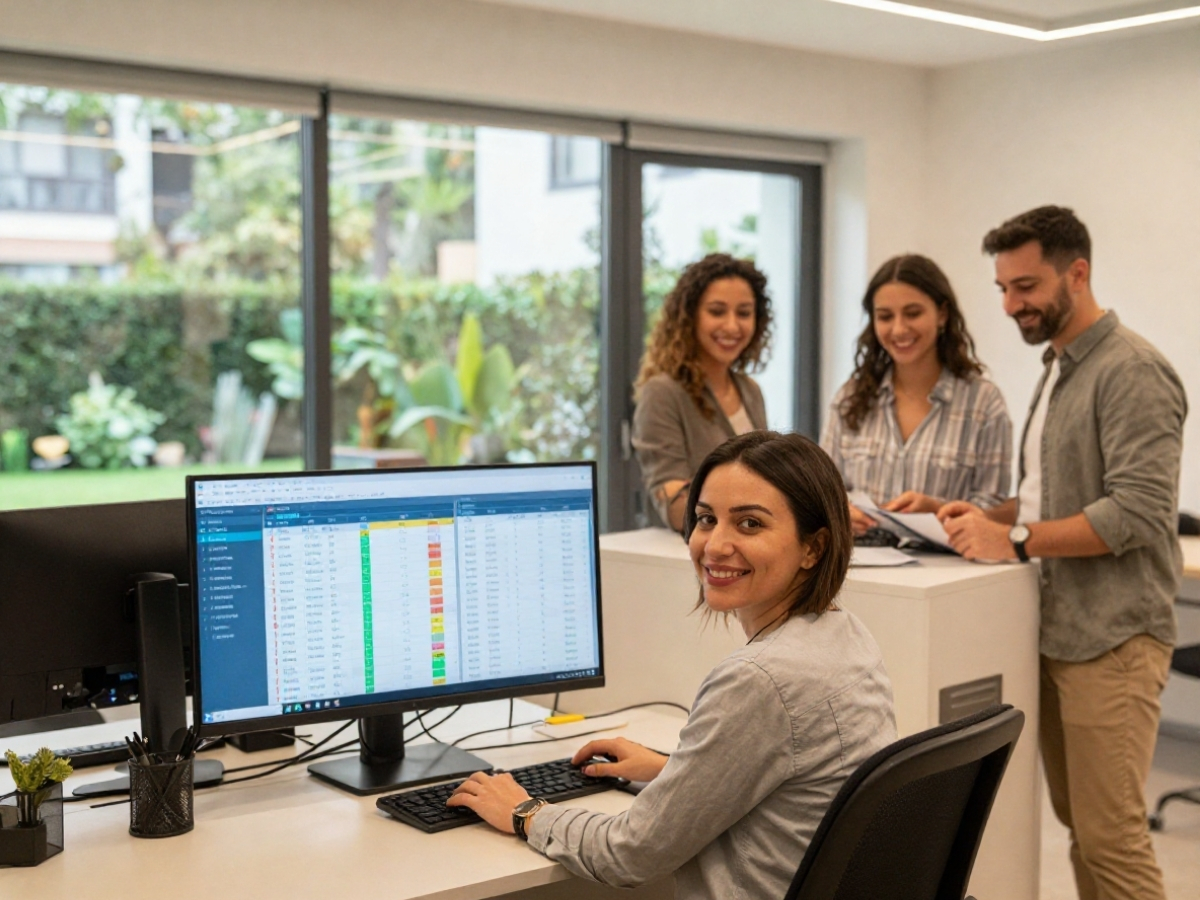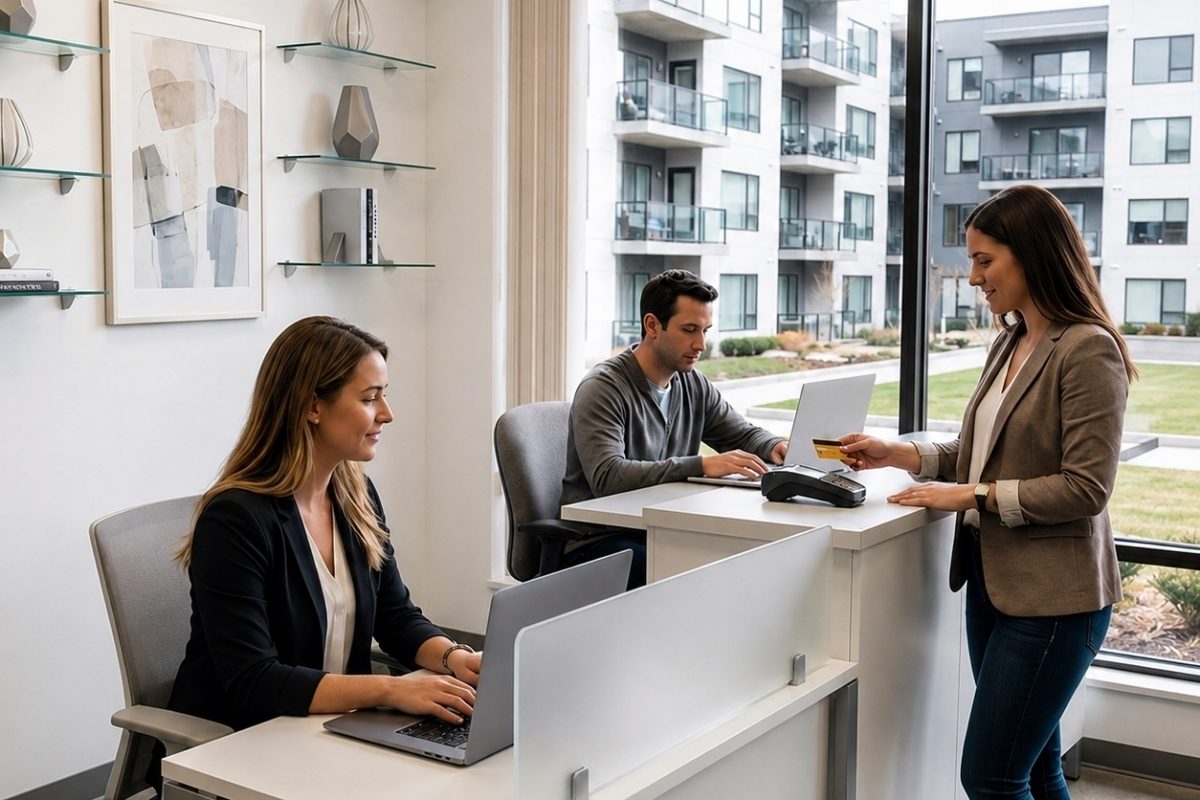
Property management software brings operational and financial data together in one central platform. It creates a more transparent, organised, and traceable management structure.
Managing a residential community effectively involves more than completing daily administrative tasks. It also requires building trust between property owners, tenants, residents, and management teams.
Residents should be able to understand how their dues are calculated, where payments are recorded, how service requests are handled, and when management decisions are announced.
When these processes are managed through spreadsheets, messaging groups, emails, and separate applications, information quickly becomes fragmented. This increases the workload of management teams and makes it harder for residents to access accurate information.
Senyonet helps residential communities, apartment buildings, and professional management companies manage dues, finances, service requests, communication, and reporting through an integrated system.
Management teams gain greater control over daily operations, while residents can access their account information and community updates more easily.
Why Fragmented Information Creates Management Problems
Different departments and users need access to the same information.
Accounting teams monitor collections and expenses. Property managers review budgets and operational performance. Technical teams follow maintenance and repair records. Residents want to view their balances, announcements, and service requests.
When this information is stored in separate files or systems, finding the latest version becomes difficult.
The same transaction may be recorded more than once. Outdated documents may continue to be used. It may also become unclear who handled a request and when the issue was resolved.
Senyonet brings management processes together within a shared data structure. Authorised users can access the information they need through the platform, while each transaction remains recorded.
This replaces a management model based on verbal updates and personal files with a more structured and professional system.
How Property Management Software Builds Trust
Trust grows when accurate information is recorded and shared at the right time.
Dues, collections, expenses, service requests, and announcements should remain accessible and traceable. Residents are more likely to trust management when they can clearly view their current balance and payment history.
Property management software connects each transaction with a date, user, record, or relevant unit. This level of traceability also protects information during management transitions.
A new management team can review previous transactions, financial movements, and service records without rebuilding the entire information structure.
Senyonet does more than store data. It connects financial management, accounting, resident relations, and operational processes.
As a result, management decisions can be based on current and verifiable information rather than assumptions.
Property Management Software for Transparent Dues
Dues and service charge management are among the most sensitive areas of residential property management.
Incorrect charges, missing payment records, or delayed notifications can quickly reduce resident satisfaction. Manual tracking becomes particularly difficult in large communities with several blocks and hundreds of independent units.
Senyonet allows management teams to calculate and distribute dues according to owners, tenants, units, and predefined categories.
Accruals, collections, outstanding balances, and overdue payments can be monitored through the same platform.
Residents can also view their current balance and previous payment transactions through digital channels.
This reduces the need for management teams to prepare individual account statements repeatedly. It also allows financial information to be presented more clearly.
An integrated property accounting software solution supports the entire process, from charging and collection to accounting and reporting.
Financial Control with Property Accounting Software
Financial management in a residential community involves much more than collecting monthly dues.
Bank transactions, cash movements, current accounts, invoices, budgets, income, and expenses must all be evaluated together.
When this information is managed through separate tools, obtaining a complete financial overview becomes difficult.
Senyonet’s finance and accounting structure allows related records to be monitored centrally.
Management teams can clearly see how much was charged during a specific period, how much was collected, and which expense categories account for the largest share of the budget.
Reliable property accounting software should not only record transactions. It should also support transparency and financial control.
Past records can be reviewed, and reports can be generated for selected date ranges. This enables management board meetings and audit processes to be supported by clear financial data.
Because financial records are connected with unit and resident information, Senyonet also helps reduce duplicate entries and data inconsistencies.
Teams can work with up-to-date information from one platform instead of comparing multiple spreadsheets.
Property Management Software Streamlines Service Requests
Residents often submit maintenance and service requests through phone calls, emails, messaging applications, or verbal conversations at the management office.
These methods can cause requests to be forgotten, delayed, or sent to the wrong department. Residents may also be unable to see whether their request is being reviewed.
Property management software turns each resident request into a trackable workflow.
The request category, opening date, responsible team, current status, and resolution details can all be recorded.
With Senyonet’s resident relations and operational management features, requests can be managed from one central platform.
Technical, cleaning, security, and administrative teams can follow the tasks assigned to them. Management can review open, pending, and completed requests.
This structure does more than improve response times. It also makes service quality measurable.
Recurring issues can be identified, high-demand areas can be monitored, and operational bottlenecks can be addressed.
Instead of simply closing individual requests, management teams can make decisions based on the underlying causes of recurring problems.
Continuous Access with Online Property Management
When management processes depend on a single office computer, access to information becomes limited.
Managers may be unable to monitor current operations while working from another location. Residents may have to wait for office hours to check their balance or request status.
Online property management allows authorised users to access relevant information through the internet.
Management teams can follow financial transactions, service requests, and announcements remotely. Residents can access their own account information through digital channels.
Senyonet’s web-based structure accelerates communication between management and residents.
Balance enquiries, online payments, announcements, and service requests become easier to access.
This reduces phone calls and in-person visits to the management office while improving the resident experience.
Online property management is especially valuable for professional management companies.
Teams responsible for several residential communities can monitor different properties through a standardised and centralised structure.
Unit, Block, and Building-Based Tracking
Every residential property has a different physical and financial structure.
Some communities consist of a single apartment building. Others include multiple blocks, parcels, shared areas, and hundreds of independent units.
The management system must adapt to this organisational structure.
Senyonet enables properties, blocks, units, owners, tenants, and common areas to be defined within a connected system.
Dues, resident records, and financial transactions can therefore be assigned to the correct unit.
A structured residential community management software system is particularly important when ownership or tenancy changes.
Outdated resident records can result in incorrect charges and communication problems. Senyonet enables these changes to be recorded and monitored centrally.
This structure also prevents management teams from searching through separate lists. Information about a person, unit, transaction, or building can be found more quickly.
Centralised Communication with Senyonet
Effective community communication involves more than publishing general announcements.
Information must reach the right people at the right time. Community-wide notifications should be separated from messages intended for a specific block, unit group, or resident category.
Senyonet manages communication processes together with property and resident data.
Management teams can organise maintenance notices, meeting announcements, payment reminders, and common-area updates more effectively.
Digital service requests also make communication two-way.
Management does not simply send information. It receives, assigns, tracks, and resolves resident requests through a recorded workflow.
Using residential community management software for communication reduces reliance on personal messaging accounts and informal channels.
Previous announcements and resident requests remain available when they need to be reviewed.
Communication therefore becomes part of the community’s institutional memory.
Measurable Management with Property Management Software
Processes cannot be improved effectively unless they can be measured.
Management teams should know how many service requests they receive, how quickly those requests are resolved, how collection rates change, and where expenses are concentrated.
Without this information, decisions are often based on personal observations.
Property management software transforms operational and financial information into reportable data.
Financial performance can be compared across different periods. Outstanding balances can be monitored. Request volume and completion rates can be evaluated.
Senyonet’s reporting capabilities help management teams prepare clear information for boards, residents, and auditors.
Instead of collecting data from multiple files, teams can evaluate records directly through the system.
Reporting also supports future planning.
Rising maintenance expenses, recurring technical problems, or declining collection performance can be identified earlier. Management teams can take preventive action rather than responding only after a problem becomes serious.
How Online Property Management Improves Resident Experience
Residents often evaluate management quality based on how easily they can complete everyday tasks.
Being able to check a balance, make an online payment, submit a request, or view an announcement directly affects their overall experience.
Senyonet makes online property management processes more accessible.
Users can review their account information without visiting the management office. This is especially useful for residents with busy schedules and property owners who live outside the community.
Digital access also creates clearer service expectations.
Residents can see when a request was submitted and how the process is progressing. Management teams can provide updates through a recorded system.
This mutual visibility reduces unnecessary disputes and strengthens trust.
Who Can Use Senyonet?
Senyonet can be used by apartment buildings, residential communities, housing complexes, mixed-use properties, residences, and professional property management companies.
The need for centralised data, authorisation, and reporting becomes more important as the number of units and residents increases.
Smaller properties can also use the platform to establish a reliable structure for dues, communication, and financial management.
Combining property accounting software, service request management, reporting, and online payments within one platform reduces the need for separate tools.
Senyonet helps management teams standardise their processes and make daily operations more visible.
This allows property management to become less dependent on individual employees and more connected to a sustainable corporate structure.
Transparent Management Creates Lasting Trust
Trust in residential property management is built through recorded, accessible, and transparent processes.
Accurate dues calculations, traceable financial transactions, completed service requests, and regular resident communication form the foundation of this trust.
Residential community management software brings these processes together within a shared data structure.
Senyonet helps management teams manage buildings, units, dues, requests, finances, communication, and reporting through one central platform.
Moving operations away from disconnected files and informal communication channels creates a more professional and sustainable management model.
Clearer information, faster processes, and stronger operational control help build lasting trust between residents and management. Contact us: [email protected]
Frequently Asked Questions
Does a Digital Management System Simplify Dues Tracking?
Yes. Managing charges, collections, overdue balances, and payment records within the same platform reduces the need for manual controls.
Senyonet connects financial records with units and resident accounts, enabling more accurate tracking.
Can Residents Access the System Remotely?
Online property management allows residents to access authorised information about balances, payments, announcements, and service requests through digital channels.
This reduces the need to visit the management office for routine transactions.
Are Previous Records Preserved When Management Changes?
Keeping transactions in a central system helps preserve organisational knowledge.
Authorised members of the new management team can review previous financial transactions, service requests, and operational records.
How Does Reporting Support Management Decisions?
Reports reveal patterns in collections, expenses, budgets, and service requests.
Senyonet helps management teams make more organised and measurable decisions based on current data.